OPWDD Occupational Therapy: 6 Practical Ways to Improve Daily Living
Learn how OPWDD occupational therapy improves daily living skills, independence, and routine development through practical, structured support.
Make a Referral
OPWDD occupational therapy plays a key role in helping individuals with developmental disabilities build independence and confidence in everyday life. While many people associate therapy with clinical exercises, occupational therapy focuses on real-world skills that make daily routines safer and more manageable.
OPWDD occupational therapy is delivered by licensed professionals who work directly in environments such as private homes, group homes, and day habilitation programs. This allows therapy to be practical, personalised, and immediately relevant.
If you are exploring OPWDD occupational therapy, here are six ways it supports daily living and long-term independence.
Table of Contents
What is OPWDD occupational therapy?
Occupational therapy focuses on helping individuals develop, regain, or improve the skills needed for daily life. These skills are often referred to as activities of daily living, or ADLs.
According to OPWDD, occupational therapy services may include support with self-care, coordination, sensory processing, and adaptive techniques that improve independence.
Learn more about occupational therapy on the OPWDD website
Understanding this foundation makes it clear that Occupational therapy is practical, goal-oriented, and focused on everyday function.
1. Building independence with daily routines
Occupational therapy helps individuals establish structured routines for tasks such as dressing, grooming, and meal preparation.
Therapists break these tasks into manageable steps, making them easier to learn and repeat. Over time, this builds confidence and can reduce reliance on caregivers.
2. Improving safety in the home
Safety is a major focus of OPWDD occupational therapy. Therapists assess the home environment and identify practical risks that may affect daily function.
This may include:
- Kitchen safety strategies
- Bathroom adaptations
- Fall prevention techniques
- Safe use of household tools
These adjustments help individuals function more independently while reducing risk.
3. Developing fine motor skills
Fine motor skills are essential for many everyday tasks, including writing, using utensils, and managing clothing.
Occupational therapy uses targeted exercises and activities to improve hand strength, coordination, and control. These improvements can directly support better daily functioning.
4. Supporting sensory processing
Many individuals experience sensory challenges that affect how they interact with their environment.
Occupational therapy helps individuals regulate sensory input, whether that involves sensitivity to noise, touch, or movement.
Therapists introduce strategies that help individuals remain calm, focused, and engaged throughout the day.
5. Enhancing participation in daily environments
OPWDD occupational therapy is not limited to isolated tasks. It also focuses on participation in real-life settings.
This may include:
- Engaging in group activities
- Completing tasks in day programs
- Following routines at home
- Improving interaction with caregivers and staff
By improving participation, therapy supports a higher quality of life and greater independence.
6. Adapting tools and environments
Another important benefit of OPWDD occupational therapy is the use of adaptive techniques and tools.
Therapists may recommend:
- Modified utensils
- Adaptive clothing strategies
- Environmental adjustments
- Task simplification methods
These adaptations make everyday tasks more accessible and achievable.
Why OPWDD occupational therapy matters
OPWDD occupational therapy provides structured, measurable support that improves independence over time.
Rather than focusing only on clinical outcomes, it focuses on real-life impact. This includes the ability to complete daily tasks, maintain routines, and participate in meaningful activities.
Because therapy is delivered by licensed professionals, it follows clear goals, progress tracking, and evidence-based methods.
Taking the next step
If you are considering OPWDD occupational therapy, the best place to start is with a clear referral and defined goals.
The Care Therapy Group provides licensed occupational therapy services delivered in home and community settings. Starting with complete information allows services to begin efficiently and without unnecessary delays.
Start a referral with The Care Therapy Group
With the right support, OPWDD occupational therapy can make a meaningful difference in daily life, independence, and long-term outcomes.
OPWDD Telehealth Services: 7 Essential Benefits for Better Care
Learn how OPWDD telehealth services help individuals access therapy,…
Learn More →
OPWDD Physical Therapy: 5 Proven Ways to Improve Mobility
Learn how OPWDD physical therapy improves mobility, strength, balance,…
Learn More →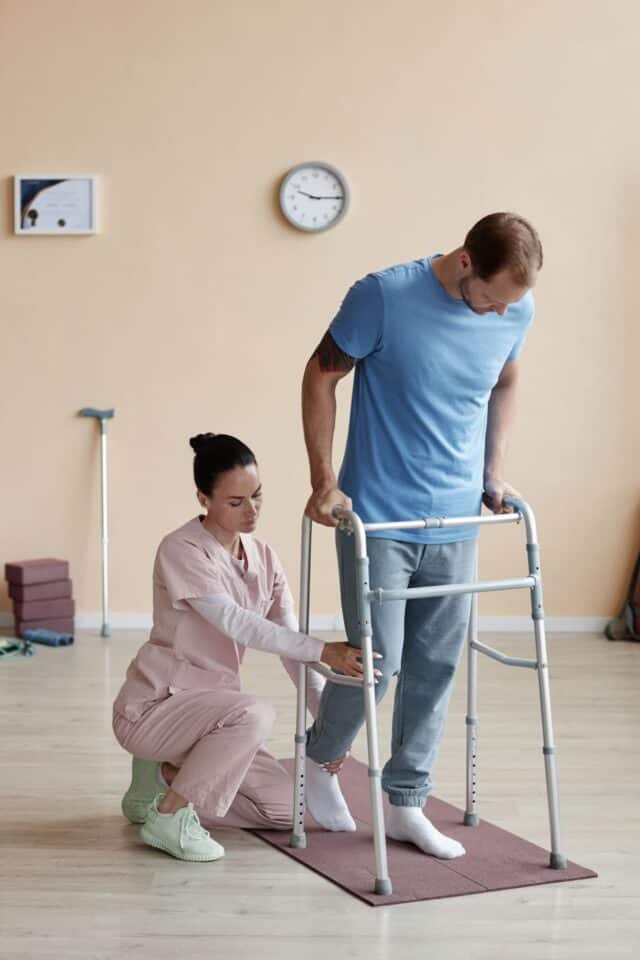
OPWDD Speech Therapy: 5 Essential Ways to Improve Communication
Discover how OPWDD speech therapy improves communication, interaction, and…
Learn More →
OPWDD Occupational Therapy: 6 Practical Ways to Improve Daily Living
Learn how OPWDD occupational therapy improves daily living skills,…
Learn More →
Caregiver Resources, Disability Support
IPSIDD Therapy Services: 5 Essential Steps for Confident Care
A practical guide to understanding IPSIDD therapy services, eligibility,…
Learn More →
Caregiver Resources, Disability Support
OPWDD Therapy Services: 7 Practical Steps to Start Care Faster
A simple, step-by-step guide to starting OPWDD therapy services,…
Learn More →
We're Here to Help You Find the Right Support
READY TO GET STARTED?
Whether you have questions about our services, need guidance choosing the right therapy, or are ready to begin the referral process, our compassionate team is here to help. Contact Care Therapy Group today to learn how we can support you or your loved one.