OPWDD physical therapy helps individuals with developmental disabilities improve mobility, strength, balance, and overall independence. Physical therapy focuses on practical movement skills that support everyday activities and improve quality of life.
Physical therapy is an essential service that can significantly enhance the quality of life for individuals with varying degrees of developmental disabilities. For instance, individuals who have suffered from injuries or conditions that affect their mobility can greatly benefit from structured rehabilitation programs designed specifically for their needs.
These treatment plans often include a combination of exercises, manual therapy, and education about body mechanics. For example, strategies may be developed to help someone with limited mobility learn how to effectively use their body to perform daily tasks, which can also include weight management and nutritional advice to support overall health.
Moreover, the collaborative approach taken by physical therapists in partnership with caregivers and families ensures that the support provided aligns closely with the individual’s life circumstances, enhancing the likelihood of successful outcomes.
Licensed physical therapists work with individuals in home, community, and program settings to create personalised treatment plans. These plans are designed to help individuals achieve greater confidence and participation in daily routines.
If you are exploring OPWDD physical therapy, here are five proven ways it supports mobility and independence.
Tailoring therapy to the individual’s unique needs is not just beneficial; it is crucial. For example, someone who enjoys swimming can be encouraged to engage in aquatic therapy, which often provides a less painful environment for rehabilitation and improvement of physical function.
According to the New York State Office for People With Developmental Disabilities (OPWDD), physical therapy services help individuals improve movement, mobility, and functional independence. Learn more about physical therapy services on the OPWDD website.
Balance exercises can also include activities like yoga or tai chi, which not only help with improving physical stability but also contribute to emotional well-being by promoting relaxation and reducing stress.
OPWDD physical therapy focuses on improving movement, strength, balance, coordination, and physical function. Therapy is tailored to each individual’s goals and abilities, helping them participate more fully in daily activities.
Physical therapists assess mobility challenges and develop strategies that improve safety, independence, and quality of life.
For instance, strength-building exercises could include resistance bands or bodyweight exercises that strengthen specific muscle groups, leading to enhanced functional mobility and decreased fatigue during daily activities.
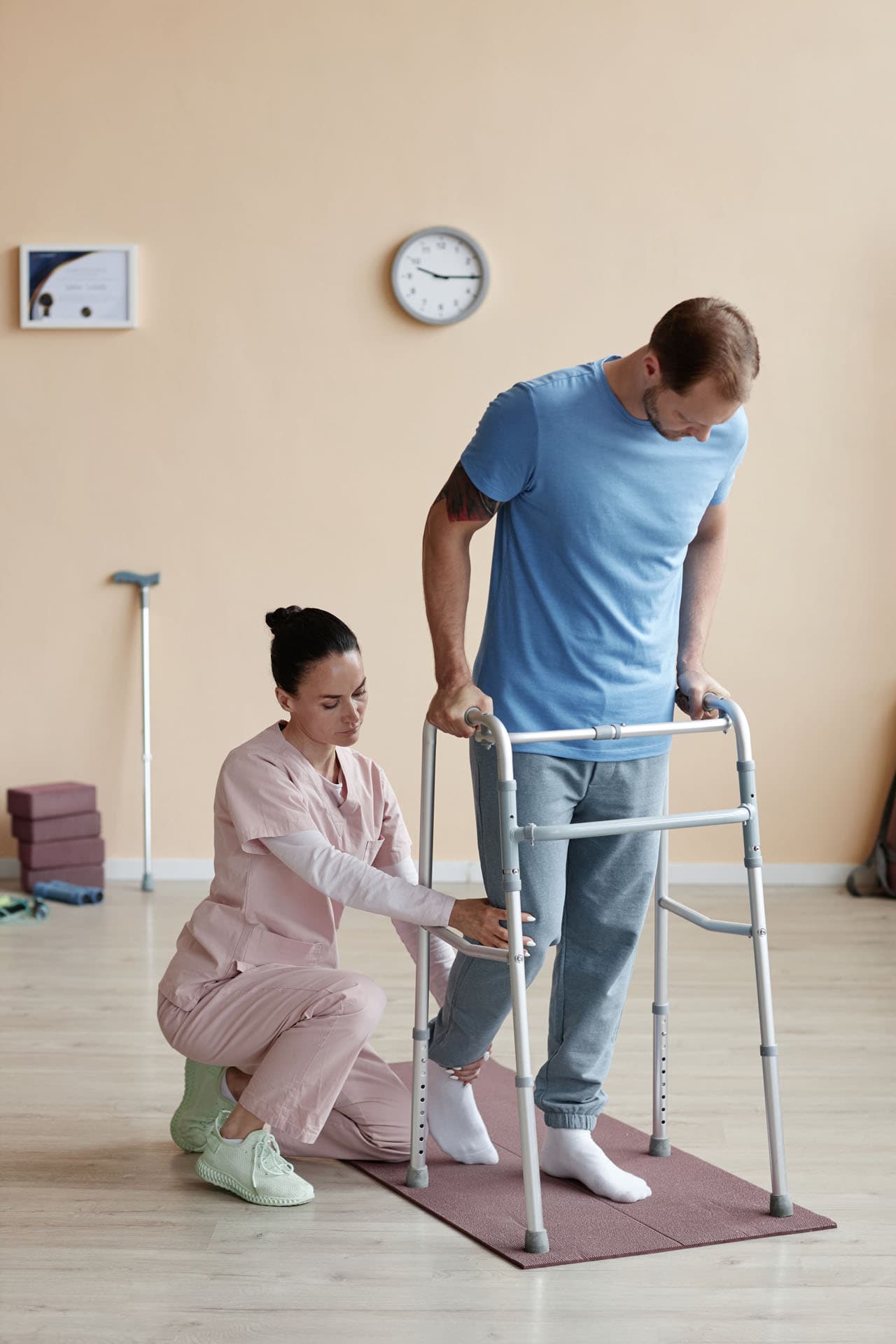
Balance is essential for safe movement. OPWDD physical therapy uses targeted exercises to improve stability and reduce the risk of falls.
Learning safe transfer techniques can also involve the use of assistive devices, such as grab bars and transfer boards, which not only facilitate movement but also instill a sense of security and independence for the individual.
As balance improves, individuals often gain greater confidence when walking, standing, and participating in daily activities.
Adaptive devices can be customized too, ensuring that they meet the specific needs of the individual, which can lead to improved self-esteem and motivation to engage in more activities.
Therapists help individuals build strength through structured activities designed to improve mobility and daily function.
Greater endurance allows individuals to participate in routines and activities for longer periods with less fatigue.
Greater participation can also lead to enhanced social skills, as individuals engage more with peers and community members, fostering connections that are vital for emotional health.
OPWDD physical therapy teaches techniques that make moving between chairs, beds, vehicles, and other environments safer and more comfortable.
Evidence-based practices in OPWDD physical therapy mean that therapies employed are not only effective but are continually assessed and updated based on the latest research and outcomes, making them more likely to yield positive results.
These practical skills help reduce injury risk while increasing independence.
Additionally, exploring support groups and community resources can provide ongoing encouragement and motivation, further enhancing the impact of physical therapy.
Many individuals benefit from walkers, wheelchairs, braces, or other adaptive devices.
Physical therapists assess individual needs and provide guidance on selecting and safely using equipment that supports mobility goals.
Improved mobility often leads to greater participation at home, in community settings, and within day programs.
As movement becomes easier, individuals can engage more confidently in meaningful activities and social interactions.
OPWDD physical therapy provides measurable support that improves movement, safety, and independence over time. Better mobility can positively impact every aspect of daily life, from personal care tasks to community participation.
Because therapy is delivered by licensed professionals, treatment plans are based on evidence-based practices and individual goals.
If you are considering OPWDD physical therapy, starting with a clear referral and defined goals can help services begin efficiently.
Contact our team to learn more about available therapy services, support options, and how OPWDD physical therapy can empower you or your loved ones to achieve greater mobility and independence.